Dealing with the Aftermath: How a Personal Injury Legal Professional Can Optimize Your Car Accident Claim
The aftermath of a car accident can leave individuals feeling lost and uncertain. The intricacies of filing a claim often go unrecognized by many. A personal injury lawyer can provide vital assistance. Their knowledge helps guide clients through legal processes while maximizing possible compensation. Understanding the steps involved is essential. How exactly can legal counsel benefit you in these trying circumstances?

The Importance of Having a Personal Injury Attorney After a Auto Accident
Although individuals may feel equipped to processing their car accident claims independently, securing a personal injury lawyer can significantly improve their chances of a favorable outcome. Personal injury lawyers possess specialized knowledge of the legal landscape involving car accidents, including relevant laws, statutes, and procedures. They can manage complex paperwork and guarantee that all required documentation is submitted correctly and on time. Additionally, these professionals are skilled negotiators, skilled in engaging with insurance companies to secure reasonable settlements.
Additionally, a personal injury lawyer can offer valuable insights into the possible long-term consequences of injuries, assisting clients comprehend the entire scope of their claims. By utilizing their experience, they can recognize all potential avenues for compensation, from medical bills to lost wages. Ultimately, hiring a personal injury lawyer can alleviate the stress of the claims process, allowing individuals to concentrate on recovery while maximizing their chances of receiving just compensation.
Evaluating Your Case for Maximum Compensation
A thorough evaluation of the conditions surrounding a auto accident is vital for identifying the potential compensation one can pursue. This analysis involves examining various factors, including the extent of injuries suffered, the scope of property damage, and the impact on the victim's routine. A personal injury lawyer will assess medical records, accident reports, and witness statements to determine liability and the associated costs of recovery.
Furthermore, grasping the complexities of local regulations and insurance plans can substantially impact the compensation total. Assessing both economic damages, such as medical costs and lost earnings, and non-economic damages, like pain and suffering, is essential. By accurately examining these elements, a lawyer can present a compelling case that highlights the injured party's needs and rights. In the end, a meticulous evaluation sets the stage for maximizing the financial result of a car accident claim.
Strategic Proof Collection
Proper evidence compilation is vital for establishing a strong car accident claim. This includes thoroughly documenting the accident scene and obtaining statements from witnesses present at the time. Such evidence can substantially impact the outcome of a claim by offering clarity and support for the parties involved in the accounts.
Documenting Collision Scene Evidence
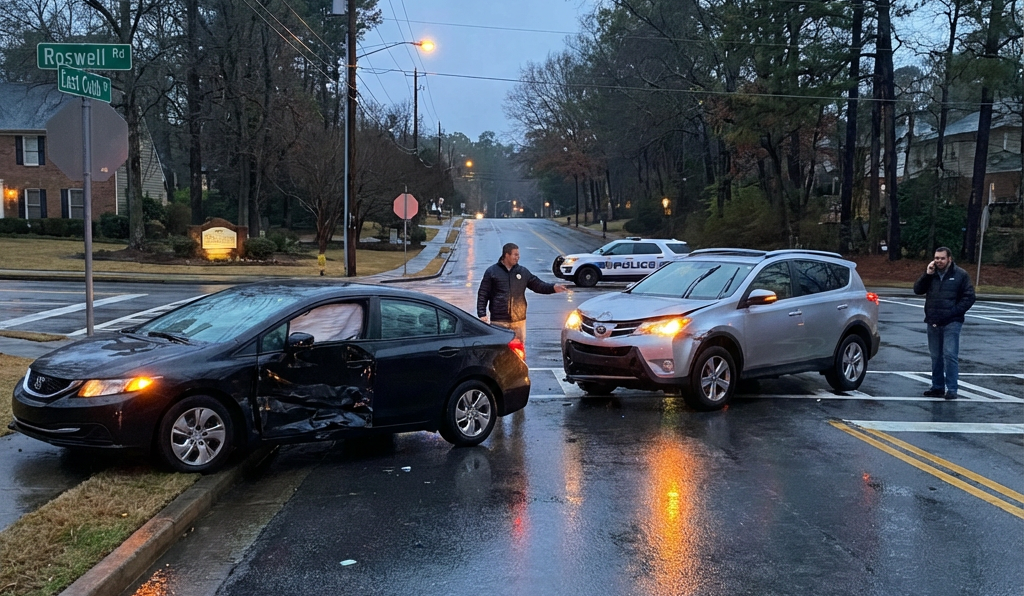
When an accident occurs, gathering evidence at the scene is vital for supporting a car accident claim. This process begins with taking clear photographs of the vehicles involved, capturing the damage, positions, and road conditions. Moreover, documenting relevant traffic signs, signals, and any skid marks can provide critical context. It is important to record the time, date, and weather conditions, as these factors can affect liability. Collecting any available physical evidence, such as debris or broken glass, further bolsters the case. Proper documentation involves recording the names and contact information of all parties involved and any present law enforcement. These details can greatly impact the outcome of the claim and provide a comprehensive understanding of the incident.
Gathering Witness Statements
Collecting witness statements is an important step in establishing a strong car accident claim. Witnesses can deliver impartial accounts of the event, which may reinforce the claimant's version of events. It is vital to collect contact information, including names and phone numbers, to make certain follow-up is possible. Personal injury lawyers often recommend victims to obtain statements quickly, as memories can deteriorate over time. The effectiveness of witness statements can be boosted by documenting their observations in detail, including the time, location, and specific actions witnessed. Moreover, having witnesses corroborate aspects of the accident can fortify the evidence presented to insurance companies or in court. Consequently, comprehensive and timely collection of witness statements is vital for a successful claim.
How Personal Injury Lawyers Negotiate Settlements
A proficient personal injury legal professional utilizes strategic negotiation techniques to maximize settlements for their clients. They begin by carefully examining the case, gathering evidence, and calculating the full extent of damages, including medical expenses, lost wages, and pain and suffering. This thorough understanding allows the lawyer to establish a strong foundation for negotiations.
In negotiations with insurance adjusters, the read guide lawyer expresses the client's demands and the rationale for the claimed amount. They leverage persuasive communication skills to highlight the strengths of the case while responding to any arguments presented by the opposing party. Moreover, they cultivate a professional rapport with insurers, which can promote more favorable terms.
The legal professional also remains ready to counter lowball offers, using their expertise to argue strongly for their client's top priorities. By applying these techniques, a personal injury lawyer greatly enhances the probability of securing a fair and satisfactory settlement.
When Should You Contemplate Legal Action?
In what scenarios should someone contemplate litigation after an automobile accident? An individual might pursue this option when discussions with the insurance provider have reached an impasse or produced insufficient compensation for medical bills, lost income, or pain and suffering. If liability is disputed and the at-fault party refuses to accept responsibility, pursuing legal action may be necessary to establish accountability. Moreover, when injuries are severe, resulting in long-term disabilities or significant impacts on quality of life, a lawsuit could guarantee fair compensation. Temporal boundaries are also essential; if the statutory period for filing a claim is coming up, an individual needs to act swiftly. Ultimately, if the insurer shows insufficient cooperation or openness, a lawsuit could be the only feasible alternative to obtain proper compensation for damages suffered in the accident.
How Legal Representation Affects Your Claim's Result
Professional legal representation can greatly influence the conclusion of a car accident claim. A experienced personal injury lawyer maintains the expertise to navigate intricate legal landscapes, ensuring that all needed documentation is precisely prepared and submitted. They can locate and gather essential evidence, such as witness testimonies and accident reports, which greatly strengthen a claimant's case.
Additionally, legal representation can enhance negotiation strategies with insurance companies. Seasoned attorneys understand the tactics used by insurers to decrease payouts and can counteract these efforts successfully. This expertise often results in higher settlement offers than what an unrepresented claimant may receive.
In addition, if a matter goes to trial, a qualified lawyer can present persuasive arguments and evidence to a judge or jury. Ultimately, having legal representation not only simplifies the claims process but also enhances the potential compensation for people affected by car accidents, supplying them with peace of mind during a difficult time.
Questions & Answers
What Does It Cost to Hire a Personal Injury Lawyer?
Hiring a personal injury legal representative generally costs between 33% to 40% of the settlement amount. Many lawyers work on a contingency fee basis, meaning clients pay only if they win their case.
Can Filing a Claim Raise My Insurance Premiums?
Submitting a claim frequently results in higher insurance premiums, as insurance companies may consider claims as an increased risk. Nonetheless, the precise impact varies based on specific conditions, insurer policies, and the nature of the claim.
Can I Still File a Claim if I Was Partially at Fault?
People can still pursue a claim despite being partially at fault. However, the compensation may be reduced based on the degree of fault established during the claims process, subject to jurisdiction-specific laws.
What Is the Time Limit for Filing a Car Accident Claim?
Usually, persons have anywhere from one to three years from the date of the automobile accident to initiate a claim, subject to state laws. Nonetheless, particular circumstances might alter this timeline, requiring swift action to preserve legal rights.
What Happens When the Other Driver Is Uninsured or Underinsured?
When the other driver lacks adequate insurance or has no insurance, the injured party could need to rely on their own insurance policy, particularly uninsured/underinsured motorist coverage, or seek legal action against the other driver to obtain compensation.